

close
Choose Your Site
Global
Social Media

Views: 0 Author: Site Editor Publish Time: 2026-01-08 Origin: Site


Cable handling equipment plays a crucial role in ensuring the safe and efficient installation and maintenance of cables. From telecommunications to power transmission, these tools help in the controlled movement, lifting, and routing of cables, minimizing the risk of damage and ensuring optimal performance. In this article, we will explore the different types of cable handling equipment, how they work, and their various applications across industries. By the end, you will gain a deeper understanding of why selecting the right equipment is vital for cable installation and maintenance.
Cable handling equipment refers to a wide range of tools and machinery designed to help manage cables during their installation and maintenance. These tools ensure that cables are laid out correctly, under the right tension, and in a way that avoids damage. Some of the most common types of equipment include cable reels, cable pullers, cable trays, and tensioners. These machines significantly reduce the labor involved and make the process of cable installation much safer and more efficient.
Cable handling equipment is composed of several key tools, including:
Cable Drum Jacks: Cable drum jacks are essential for stabilizing and controlling the movement of cable drums during pulling operations. They ensure that the drums rotate smoothly without wobbling, preventing the cable from being exposed to unnecessary tension. This control is crucial to avoid damaging or kinking the cable.
Cable Rollers: Cable rollers guide the cable along the installation path, ensuring it moves smoothly across surfaces like trenches, cable trays, or platforms. They reduce friction and wear, preventing cable damage during deployment. By evenly distributing the cable’s weight, rollers ensure it remains intact, especially over long distances or tight corners.
Cable Grippers: Cable grippers are used to secure the cable in place, especially in high-tension situations. These tools prevent the cable from slipping or moving unexpectedly during installation, providing precise control. Grippers are essential when handling heavy-duty cables, ensuring the cable stays aligned and tension is maintained for smooth installation.
The primary benefits of using cable handling equipment include reducing the risk of cable damage and minimizing the physical labor required during installation. These tools ensure that cables are laid correctly and without excessive tension, which can lead to breakage or malfunction. Additionally, they enhance worker safety by reducing the risk of injuries related to manual cable handling. By automating many tasks, cable handling equipment increases installation efficiency and ensures that cables are protected during the process.
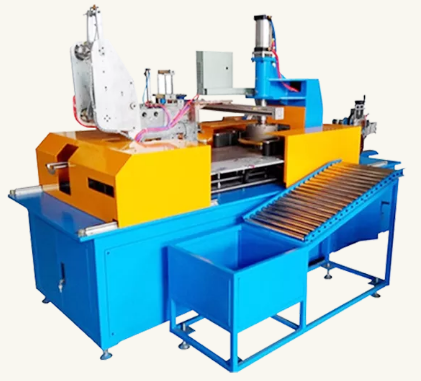
In telecommunications, cable handling equipment is crucial for the fast and efficient installation of fiber optic cables. These cables are essential for providing high-speed internet and communication services. Cable handling equipment helps streamline the installation process by ensuring the cables are laid out with minimal risk of damage. With the growing demand for faster and more reliable internet services, efficient cable management is more important than ever. These tools make it possible to deploy vast networks quickly and with greater precision.
For power transmission, particularly in the case of high-voltage cables, specialized cable handling equipment is essential. These tools ensure that cables are strung across long distances without damage, while also maintaining the right tension. Managing the tension and alignment of these cables during installation is crucial to avoid damage that could affect the power supply. Equipment like cable pullers and tensioners are used to ensure that cables are installed with the correct tension and without overstretching, which could compromise their integrity.
In the construction and industrial sectors, extensive cabling is required for electrical systems, data networks, and security systems. Cable handling equipment makes it easier to install these networks efficiently, speeding up the construction process and ensuring safety on-site. Large-scale projects often involve extensive wiring, and having the right equipment helps prevent cable damage, reduces installation time, and ensures that the installation is compliant with safety standards. This, in turn, improves overall project timelines and productivity.
The preparation phase of cable installation involves selecting the appropriate equipment based on the type of cable being used and the environment in which it is being installed. This phase also includes planning the cable route and ensuring that all necessary tools, such as reels, tensioners, and rollers, are ready for use. The correct planning and preparation ensure that the cable installation process runs smoothly and efficiently, minimizing risks of damage or delays during the actual installation phase.
Once the equipment is set up, the cable is guided through rollers or trays, which keep it aligned and prevent tangling. Tensioners or winches are then used to pull the cable along the route. These tools ensure that the cable is pulled at the correct tension, which is crucial for maintaining its integrity. Operators continuously monitor the cable’s tension and alignment during this phase to prevent overstretching or misalignment, which could lead to damage. The process also includes careful handling around corners or obstacles to prevent unnecessary stress on the cable.
After the cable has been successfully installed, the final step is to spool any excess cable and safely dismantle or reposition the equipment for the next task. This phase involves checking the cable for any potential issues that could arise after installation, such as areas of excessive tension. The equipment used during installation is cleaned and maintained to ensure it is ready for future use. The completion of the installation is followed by a final inspection to ensure that all safety protocols were followed and that the installation is secure.
Cable reel stands are essential in ensuring the stability and control of cable drums during the unspooling process. These stands help maintain the proper tension of the cable and prevent it from unraveling uncontrollably. By supporting the weight of the cable drum, these stands also allow the cable to be deployed smoothly, reducing the risk of tangling or damaging the cable. Depending on the size of the cable drum, different models of reel stands can be used to accommodate various cable weights and sizes.
Cable rollers and guide systems help guide cables smoothly along the installation path, minimizing friction and preventing damage. This table breaks down the various types of cable rollers and guide systems, their ideal uses, and technical specifications to help ensure the right selection for your project.
| Cable Rollers & Guide Systems | Ideal Use | Technical Specifications | Precautions & Notes |
|---|---|---|---|
| Straight Rollers | Ideal for guiding cables along flat, horizontal surfaces such as trenches or cable trays. | Roller Diameter: 200mm; Max Load: 1 ton | Ensure rollers are installed on stable surfaces to avoid misalignment. |
| Corner Rollers | Used to guide cables around corners or changes in direction without excessive bending. | Roller Diameter: 250mm; Angle Range: 90° to 180° | Use when the cable path involves sharp turns to avoid cable damage. |
| Triple Corner Rollers | Suitable for installations requiring multiple directional changes. | Max Load: 2 tons; Suitable for cables up to 100mm diameter | Designed for complex paths; ensure proper positioning to prevent tangling. |
| Vertical Rollers | Used when cables need to be routed vertically or suspended in overhead trays. | Load Capacity: 500 kg; Roller Width: 150mm | Best for overhead installations; ensure secure anchoring to avoid slippage. |
| Cable Guide Systems | Complete systems designed to guide cables along fixed routes, reducing wear and friction. | System Length: 10m to 100m; Max Tension: 5 tons | Ideal for long-distance installations; ensure system is adjustable for different cable types. |
Tip:When using cable rollers and guide systems, ensure that the rollers are properly lubricated and checked for wear to maintain smooth operation and prevent unnecessary friction during installation.
Tensioning equipment, such as winches and pullers, plays a critical role in cable installation. This table outlines the different types of tensioning equipment, their applications, and key technical specifications. Proper selection and use of these tools are essential to prevent cable damage and ensure accurate installation.
| Tensioning Equipment | Applications | Technical Specifications | Precautions & Notes |
|---|---|---|---|
| Winches | Used for pulling cables over long distances, particularly for high-voltage cables. | Max Load Capacity: 50 tons; Speed: 10 m/min | Ensure proper calibration to prevent overloading. Suitable for heavy-duty operations. |
| Cable Pullers | Used for smaller cables and tight spaces. Ideal for telecommunications and light electrical installations. | Max Pulling Force: 10 tons; Cable Diameter: 50mm | Best for controlled environments; avoid excessive tension to protect cable integrity. |
| Hydraulic Tensioners | Typically used for high-tension installations like underwater cables. | Max Tension: 100 tons; Hydraulic Pressure: 3000 psi | Requires regular maintenance and pressure checks to avoid malfunction. |
| Manual Tensioning Devices | Used for small-scale installations or in environments where electric or hydraulic power is unavailable. | Tension Range: 1-5 tons | Suitable for light-duty operations but slower than powered devices. Ensure workers follow safety protocols. |
Tip: When selecting tensioning equipment, always account for the cable's type and size, as different cables require different handling methods to prevent stress and potential damage.
Automation and sensor technologies are increasingly being integrated into modern cable handling equipment. These technologies provide real-time feedback on cable tension, speed, and alignment, allowing operators to make adjustments quickly and accurately. Sensors can detect issues such as excessive tension or misalignment, helping prevent damage before it occurs. Automation systems reduce the need for manual monitoring, allowing for more efficient and precise cable installations, particularly in large-scale projects or complex environments.
Cable handling equipment is powered either by hydraulic or electric systems, each offering its own set of advantages. Hydraulic systems are ideal for heavy-duty applications that require a high level of power, such as laying large cables in harsh environments. On the other hand, electric systems are more energy-efficient and suitable for lighter tasks, making them ideal for more precise and controlled installations. The choice between hydraulic and electric power depends on the specific needs of the project and the type of cable being installed.
Modern cable handling equipment is designed to be portable and modular, making it easier to transport and set up at various sites. This flexibility is especially important for large-scale projects that require multiple setups or frequent relocations. The modular design allows the equipment to be easily adapted to different project requirements, whether it's a construction site or an industrial facility. Portability also makes it easier to move the equipment between different locations, reducing setup time and increasing overall project efficiency.
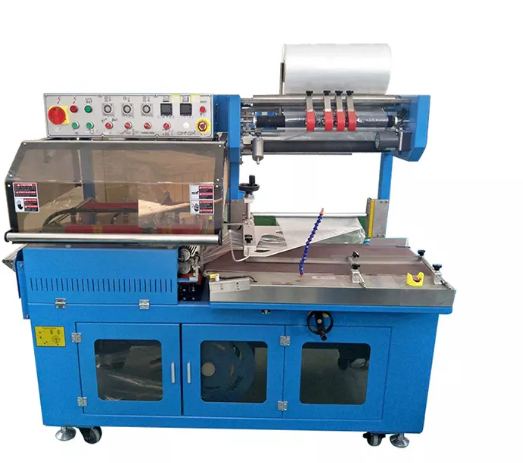
The market for cable handling equipment is dominated by a few key players, including:
TE Connectivity: TE Connectivity is a global leader in providing cable handling tools and accessories, offering solutions that cater to various industries, from telecommunications to industrial applications. Their products are known for high reliability and precision, helping to streamline cable installations and minimize the risk of damage.
Hubbell: Hubbell offers a wide range of comprehensive cable management solutions designed for industrial use. Their products focus on enhancing safety, efficiency, and organization in cable installations. With a broad portfolio, Hubbell supports both power and communication systems, providing flexible solutions for everything from residential to commercial applications.
Schneider Electric: Schneider Electric is renowned for its expertise in electrical distribution and cable routing technologies. The company provides innovative solutions for efficient cable handling, ensuring optimal performance and reliability in complex electrical networks. Their tools are built for demanding industrial environments, making them a trusted choice for large-scale infrastructure projects.
The cable handling market is evolving rapidly, with increasing automation and integration of smart technologies. New developments, such as IoT-enabled devices and automation systems, are enhancing the efficiency and safety of cable installations. These advancements allow for real-time monitoring and adjustments, reducing the risk of errors and improving the overall installation process. Companies investing in R&D are leading the way in creating smarter, more reliable cable handling equipment that meets the growing demands of modern infrastructure projects.
When purchasing cable handling equipment, it’s important to consider factors such as compatibility with the cable types being used, load capacity, ease of use, and portability. Ensuring that the equipment is safe to use and equipped with necessary safety features, such as overload protection and emergency stop functions, is crucial. Buyers should also check the equipment's warranty and after-sales support, as these can significantly impact long-term performance and reliability.
Cable handling equipment is vital for ensuring safe and efficient cable installations across industries. As infrastructure projects become more complex, the need for advanced, reliable equipment increases. Companies like Jiangsu Yassjet Precise Machinery Co., Ltd. provide high-quality products, offering value through durable, efficient cable handling solutions that enhance performance and minimize risk. Their equipment helps meet the growing demand for precise and safe cable installations.
A: Cable handling equipment refers to a range of tools and machinery used to manage, transport, and install cables. These include cable reels, pullers, tensioners, and rollers, ensuring cables are laid safely, with proper tension and minimal damage.
A: Cable handling equipment works by stabilizing, guiding, and controlling the movement of cables during installation. Tools like cable drum jacks and rollers help position cables correctly, while tensioners ensure the right amount of pull, preventing damage or overstretching.
A: Cable handling equipment is crucial to prevent damage to cables during installation, reduce manual labor, and enhance safety. It ensures cables are properly laid with controlled tension, improving installation efficiency and reducing the risk of malfunctions or breaks.
A: The main advantages of using cable handling equipment include increased efficiency, safety, and precision. It reduces manual labor, minimizes cable damage, and ensures that cables are installed correctly, which is crucial for long-lasting performance in telecommunications and power transmission.
A: In construction projects, cable handling equipment speeds up the installation process by efficiently managing large volumes of cable. It ensures that electrical and data cables are laid correctly and safely, reducing project delays and increasing productivity.
A: When choosing cable handling equipment, consider factors like cable type, installation environment, load capacity, and portability. Ensure the equipment is compatible with your project requirements and has safety features like overload protection to avoid accidents.