

close
Choose Your Site
Global
Social Media

Views: 0 Author: Site Editor Publish Time: 2026-01-15 Origin: Site


Coil winding machines are crucial in today’s manufacturing, enabling the efficient production of electromagnetic coils. These machines automate the process of wrapping wire around a core to form coils used in devices like motors and medical equipment. In this article, we will explore how coil winding machines work, the types available, and their importance across industries such as electronics, automotive, and renewable energy.
A coil winding machine is a specialized piece of equipment designed to automate the process of winding wire into a coil. The machine typically winds conductive wire, such as copper or aluminum, around a core or bobbin. The purpose of this winding process is to create coils that are used in electrical components like transformers, motors, solenoids, and inductors. By automating this process, manufacturers can achieve greater precision and efficiency, which is crucial for industries requiring high-quality coils at scale.
Coil winding machines come in various forms, including wire winding machines, cable winding machines, and spool winding machines, each tailored for different applications and wire types.
Coil winding machines function by feeding wire onto a core using a controlled system of motors and spindles. The process involves several key stages:
Wire Feeding: The wire is fed from a spool to the machine, where it is guided through tension controls to ensure even winding.
Tension Control: Ensuring the wire is tightly wound is crucial. Tensioners prevent slack or tight spots during the winding process.
Winding: As the spindle rotates, the wire is wound onto the core in a precise pattern. The machine's control system ensures uniformity in the number of turns and the spacing between coils.
Modern coil winding machines use sensors and advanced software to monitor and adjust parameters like speed, wire tension, and the number of turns, ensuring each coil is identical and meets strict quality standards.
Coil winding machines consist of several essential components that work together to ensure high efficiency and precision:
Wire Feeder: Controls the flow of wire, ensuring it is fed evenly to the winding area.
Spindle: Holds the core or bobbin, rotating it to wrap the wire into a coil.
Tension Control: Maintains the correct wire tension during winding, preventing uneven coils.
Sensors and Encoders: These monitor key variables like wire tension and spindle rotation, providing real-time feedback to ensure consistent quality.
Control System: This is the brain of the operation, allowing operators to set parameters for winding speed, wire tension, and coil specifications.
These components work in tandem to create coils that meet precise requirements for size, shape, and performance.
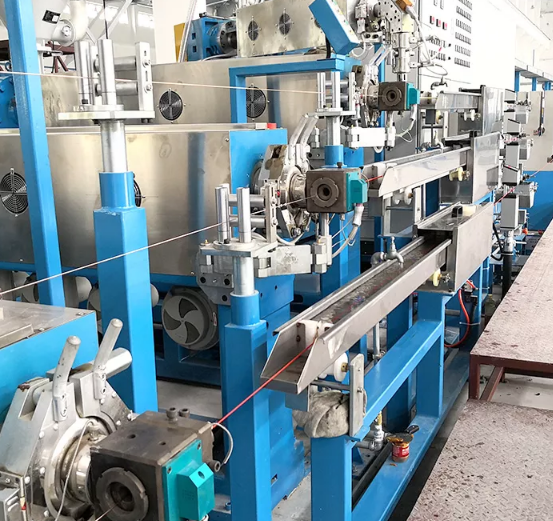
Automation in coil winding machines brings significant advantages to manufacturers. One of the most notable benefits is increased production speed. Machines can operate continuously without fatigue, allowing for higher output than manual winding. Automation also leads to improved accuracy, as each coil is wound with consistent tension and spacing, reducing errors.
Moreover, automated systems require fewer operators. This leads to reduced labor costs, enabling factories to operate more efficiently. Automation also reduces human error, ensuring that coils meet strict quality standards every time.
One of the key advancements in modern coil winding machines is the integration of multi-axis technology. This allows the machine to move in several directions simultaneously, making it possible to produce complex coil shapes that would be difficult or impossible with single-axis machines.
For example, multi-axis machines can create coils with varying dimensions or multiple layers, which are essential for high-performance applications in the automotive or electronics industries. These machines can also switch between different coil types without needing manual reconfiguration, providing greater flexibility in production.
Modern coil winding machines incorporate real-time monitoring systems that use sensors to track the winding process. These sensors continuously measure factors like wire tension, spindle speed, and the position of the wire. When discrepancies are detected, the machine can automatically adjust its settings to correct any issues, ensuring that each coil meets the required specifications.
Smart controls, powered by AI and machine learning, also allow for predictive maintenance. This means the machine can notify operators when parts are likely to wear out or when maintenance is needed, reducing downtime and increasing overall factory productivity.
In the electronics industry, coil winding machines are essential for producing transformers, inductors, and motors. These components are critical for power regulation and signal processing in devices such as smartphones, computers, and audio equipment. Coil winding machines in this sector must provide high precision to meet tight space constraints and performance specifications.
As electronics become smaller and more complex, the demand for micro-coils and miniature transformers increases, making automated coil winding machines even more essential for maintaining product quality.
The automotive industry, particularly with the rise of electric vehicles (EVs), relies heavily on coil winding machines for manufacturing motor windings, relays, and sensors. These coils play a crucial role in powering motors, managing energy distribution, and ensuring the reliability of safety systems.
Automated coil winding machines enable manufacturers to produce these components with high durability and precise specifications, which is vital for the long-term performance and safety of automotive parts.
Coil winding machines are used in the production of components for the renewable energy sector, including wind turbines and solar energy systems. These systems require coils that can handle high electrical loads and resist wear from environmental stress.
With the push for sustainable energy solutions, high-performance coils that ensure efficient power conversion and energy storage are in high demand. Automated coil winding helps meet these needs by enabling rapid production with minimal material waste.
When choosing a coil winding machine, there are several key factors to consider:
Precision and Consistency: For industries like electronics and automotive, it is essential to select machines that provide high precision in coil winding, ensuring uniformity and quality.
Production Volume: For mass production environments, a fully automatic coil winding machine offers the best balance between speed and consistency.
Automation Level: Semi-automatic machines can be suitable for smaller volumes or more customized coil requirements, while fully automated systems are ideal for large-scale, high-throughput environments.
Some industries require highly customized coil designs. For example, aerospace or medical devices might need coils with unique shapes, precise dimensions, or specific wire materials. Manufacturers can choose custom coil winding machines tailored to meet these specialized needs.
These machines are designed to handle specific coil patterns, wire types, and production speeds, allowing businesses to meet diverse customer requirements without compromising efficiency.
The following table details key machine features and options, providing manufacturers with a clear guide when selecting coil winding machines to ensure they meet production needs.
| Feature | Description | Application | Technical Specifications/Considerations |
|---|---|---|---|
| Multi-Axis Capability | Supports multi-axis operation, allowing for winding in several directions simultaneously. | Complex coil designs, such as those in electronics and automotive parts. | Suitable for designs that require multi-layer, multi-direction winding, providing greater production flexibility. |
| Programmable Control | Allows users to set parameters such as winding speed, tension, and turns for customized control. | Large-scale production requiring high precision, such as transformers and sensors. | Ensures coil consistency and eliminates human error. |
| Flexibility for Wire Types | Accommodates different wire types such as copper, aluminum, or special alloys. | Industries requiring diverse material needs, like automotive, energy, and medical devices. | Ensures adaptability to different wire materials, increasing production versatility. |
Tip: When choosing a coil winding machine, ensure that it can handle various wire types and winding requirements, which is crucial for maintaining flexibility and improving product consistency.
Regular maintenance is vital for optimal performance and longevity of coil winding machines. In addition to checking the wire feeder, spindle, and tension control systems, it is important to inspect the alignment and calibration of sensors. Ensuring that motors are properly lubricated and the electrical connections are intact can prevent overheating and electrical failures. Following the manufacturer’s maintenance schedule, along with environmental controls like humidity, can further reduce wear and improve the machine’s accuracy and efficiency.
The table below outlines the quality control systems embedded in modern coil winding machines, helping to ensure every coil meets high standards throughout the winding process.
| Quality Control Feature | Description | Application | Technical Specifications/Considerations |
|---|---|---|---|
| Tension Control Systems | Monitors and adjusts the wire tension throughout the winding process. | Ensures consistent coil tension, preventing slack or tight spots. | Automatic tension adjustments based on real-time feedback, ensuring uniform winding. |
| Speed Control Systems | Regulates the spindle speed for even winding. | Helps maintain uniformity in coil layers and reduces defects. | Speed can be programmed based on the coil specifications, preventing over or under-winding. |
| Sensors for Error Detection | Sensors track key variables such as wire position, tension, and speed. | Provides real-time alerts for potential errors, reducing defects. | Built-in sensors ensure continuous monitoring, allowing for immediate adjustments to the process. |
Tip: Implementing real-time error detection through advanced sensors can significantly reduce defects and improve the overall quality of coil production.
Common issues with coil winding machines include wire jams, tension inconsistencies, or motor malfunctions. Having a robust maintenance plan and access to troubleshooting guides or support from the manufacturer can reduce downtime and keep production on track.

AI-powered coil winding machines enhance production by learning from previous operations and adapting in real-time. These systems adjust winding parameters, improving precision and reducing waste. By predicting issues before they arise, AI ensures consistent coil quality, optimizing workflows and minimizing downtime, ultimately increasing efficiency and output.
The integration of Internet of Things (IoT) and Manufacturing Execution Systems (MES) in coil winding machines allows for smarter production lines. IoT sensors collect data on each coil's performance, wire tension, and other critical parameters in real-time. This data is sent to MES systems for analysis and reporting, enabling manufacturers to adjust processes remotely, predict maintenance needs, and optimize production schedules. IoT integration helps streamline factory operations by enabling immediate interventions to improve efficiency, reduce waste, and maintain high-quality standards across multiple machines.
Modern coil winding machines focus on energy efficiency by optimizing motor performance and minimizing material waste. Features like regenerative braking and variable speed drives reduce power consumption. Additionally, using eco-friendly materials and recycling components helps meet sustainability goals while lowering operational costs.
Coil winding machines are essential for manufacturing high-quality coils in industries like electronics, automotive, and renewable energy. With advancements in automation, AI, and IoT, these machines now offer increased efficiency, flexibility, and precision. When selecting a coil winding machine, it's crucial to consider factors such as production volume, precision, and customization needs. Jiangsu Yassjet Precise Machinery Co., Ltd. offers machines that deliver exceptional value by combining cutting-edge technology with reliable performance. Their products help manufacturers improve productivity and meet the growing demands of various industries.
A: A coil winding machine is a device that automates the process of winding wire around a core to create coils used in electrical components like transformers and motors. It improves precision and efficiency compared to manual winding.
A: A coil wrapping machine feeds wire onto a rotating core, controlling tension and speed to wind coils uniformly. It uses advanced sensors and software to monitor and adjust parameters for consistent results.
A: Using a coil winding machine ensures faster production, consistent quality, and reduced labor costs. It automates the winding process, eliminating errors and increasing efficiency in industries like electronics and automotive.
A: Coil wrapping machines are essential in electronics, automotive, renewable energy, and medical device industries, where precise coils are needed for transformers, motors, sensors, and other electrical components.
A: When selecting a coil wrapping machine, consider factors like precision, production volume, automation level, and customization options. Machines with multi-spindle capabilities and programmable controls offer greater flexibility and efficiency.
A: The main advantages include increased production speed, improved accuracy, reduced labor costs, and the ability to produce consistent, high-quality coils, meeting strict industry standards for electrical components.
A: Common issues include wire jams, inconsistent tension, or motor malfunctions. Regular maintenance, including checking the wire feeder, spindle, and tension control systems, can help avoid these problems and ensure smooth operation.