

close
Choose Your Site
Global
Social Media

Views: 0 Author: Site Editor Publish Time: 2026-06-16 Origin: Site


Wrapping film breakage is never just a minor operational annoyance. It acts as a critical bottleneck on your packaging line. This frustrating issue causes measurable throughput loss daily. It also compromises essential product protection. Metal surfaces become highly vulnerable to severe rust and transit damage when the protective layer fails. Standard pallet wrappers certainly face similar operational issues. However, orbital wrapping systems deal with entirely unique physical forces. They must constantly navigate difficult toroidal shapes. They also wrap around extremely sharp metallic edges continuously. These machines endure high-speed orbital tension during every single cycle. These intense factors push packaging materials to their absolute structural limits.
We will systematically diagnose these root causes across three main categories. We examine machine mechanics, material selection, and operator habits. You will gain a clear, actionable framework to evaluate your current setup. Ultimately, this guide helps you decide your next steps. You will know whether you need a simple process adjustment or a complete equipment upgrade.
Mechanical Misalignment: Over 50% of film breaks stem from improperly calibrated tension settings or worn pre-stretch rollers.
Material Mismatch: Using standard stretch film instead of industrial-grade PVC or PP on sharp-edged steel/copper coils guarantees high puncture rates.
The Hidden Cost: Frequent breakage increases material waste by up to 30% and causes compounding labor downtime.
Permanent Fixes: Upgrading to a custom coil wrapping machine solution with dynamic tension control eliminates human error and adapts to varying coil dimensions.
Frequent film breakage directly damages your operational efficiency. Operators must stop the packaging line constantly to re-thread the carriage. They reset the cycle manually after every single break. This repetitive task wastes valuable production minutes throughout the shift. These compounding delays severely drain your daily throughput. You lose substantial production capacity with every snapped web. Teams miss their daily shipping targets simply because the wrapper failed.
Interrupted wrapping cycles also create vulnerable moisture ingress points. Overlapping layers fail to seal properly when restarted mid-cycle. The continuous stretch barrier becomes completely broken. This dangerous exposure leads straight to rapid oxidation. Rust forms quickly on sensitive metal surfaces during transit. Compromised product integrity ruins your brand reputation entirely. Clients reject rusted shipments immediately upon arrival. You then face expensive product replacement costs.
Discarded plastic artificially inflates your annual consumable budgets. You pay high premiums for packaging material you never actually use. Splicing broken webs together creates excessive overlap waste. Operators typically wrap extra layers over the broken section to ensure stability. This over-wrapping practice consumes extra yards of plastic every time. This hidden financial drain destroys your packaging efficiency. Your material consumption rates skyrocket unnecessarily.
Downtime Impact Matrix: Compounding Time Lost per Shift | |||
Breakages Per Shift | Average Time to Re-thread (Mins) | Total Lost Time (Mins) | Lost Throughput Impact |
|---|---|---|---|
1 - 3 | 3.5 | 10.5 | Low |
4 - 8 | 3.5 | 28.0 | Moderate |
9+ | 3.5 | 31.5+ | Severe |
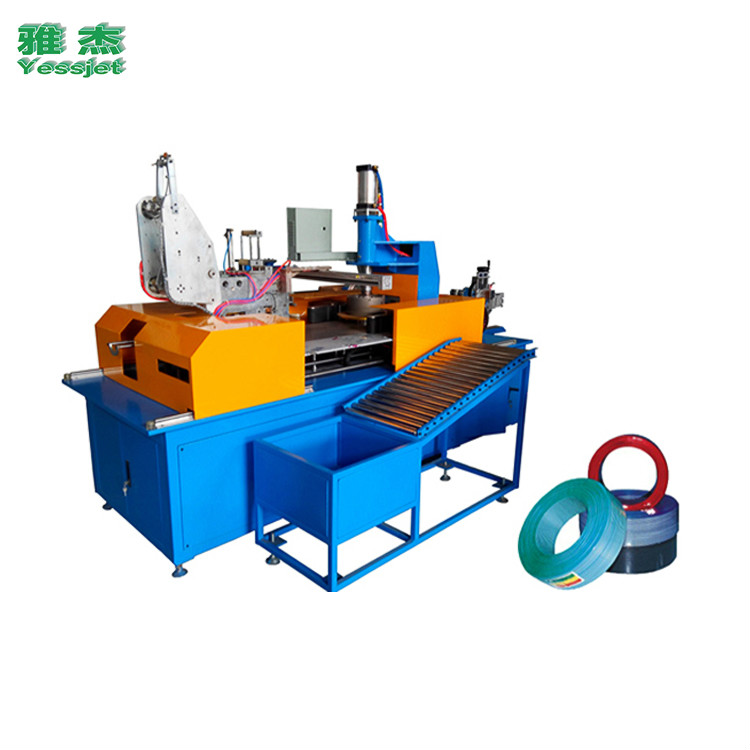
Mechanical faults account for most frustrating packaging failures. You might wonder why your Auto-wrapping Machine keeps snapping the web. The answer usually hides inside the complex carriage mechanisms. A poorly maintained carriage guarantees constant operational headaches. Routine maintenance often gets ignored until a major breakdown occurs.
Sticky, dirty, or worn pre-stretch rollers cause highly uneven feeding. Tackifier buildup grips the plastic inconsistently during the payout phase. Tackifier acts as the crucial adhesive additive inside stretch plastics. It builds up naturally on the metal rollers over time. This erratic pulling creates microscopic tears along the outer edges. These tiny micro-tears instantly propagate into full breaks under orbital tension. Regular cleaning prevents this sticky residue accumulation entirely.
Improper tension calibration serves as another major mechanical culprit. Orbital wrapping involves highly complex physical dynamics. The payout speed must perfectly match the vertical ring rotation speed. Sudden tension spikes occur if they fall slightly out of sync. The material snaps immediately under these extreme forces. You must dial in these specific settings precisely. Maintenance teams often overlook this crucial synchronization step.
Carriage misalignment also causes severe structural issues. A tilted carriage forces uneven stress distribution across the material. One edge takes the entire mechanical load. The opposite edge goes completely slack during rotation. This severe physical imbalance guarantees consistent tearing during high-speed applications. Gravity compounds this error as the ring spins continuously.
Follow this actionable diagnostic checklist to isolate mechanical faults properly:
Inspect all pre-stretch rollers carefully for sticky residue or worn flat spots.
Verify the strict synchronization between the ring speed and the film payout speed.
Check the carriage alignment meticulously using a precision digital level tool.
Calibrate the tension load cells according to the manufacturer specifications.
Packaging slit steel, wire, or copper presents a uniquely difficult challenge. Their sharp inner and outer diameters act exactly like industrial razor blades. Standard packaging plastics simply cannot survive this hostile environment. The metallic edges slice right through thin plastic layers instantly. You cannot rely on standard warehouse supplies for this task.
You must evaluate your material choices very carefully. Standard LLDPE material lacks adequate puncture resistance for sharp metals. It stretches nicely but tears easily upon contact. Specialized heavy-duty materials offer a much stronger defense. Operating a High-Perf PVC PP Orbital Coil Wrapper becomes absolutely necessary here. These advanced systems handle industrial-grade PVC seamlessly. They provide the extreme puncture resistance your heavy-duty applications strictly demand.
Pushing a low-gauge film past its maximum stretch limit invites disaster. Every material has a precise elasticity threshold you must respect. Over-stretching thins the web out dangerously during application. It fails immediately upon first contact with the sharp metallic surface. You must balance gauge thickness carefully against your desired pre-stretch ratio. Higher stretch ratios require significantly thicker starting materials.
You should also consider the fundamental differences between blown and cast materials. Blown materials offer superior tear resistance across both directions. They handle sharp corners much better than cast alternatives. However, they cost slightly more and produce more noise during unwinding. Cast materials stretch smoother but lack the aggressive puncture defense needed here. Select the right chemistry to match your specific product geometry.
Material Compatibility and Performance Guide | |||
Material Profile | Puncture Resistance | Edge Friction Handling | Best Application Scenario |
|---|---|---|---|
Standard LLDPE (Cast) | Low | Poor (High tear risk) | Soft goods, blunt pallets |
High-Gauge LLDPE (Blown) | Moderate | Fair (Requires dull edges) | Blunted wire spools |
Industrial PVC / PP | Extremely High | Excellent (Resists slicing) | Slit steel, sharp copper edges |
Human error and environmental factors frequently sabotage your packaging line. Incorrect threading stands out as a top operator offense. Operators sometimes thread the web backwards through the complex carriage rollers. This common mistake reverses the intended mechanical grip dynamics entirely. The material snaps instantly during the very first orbital rotation. Training often fails to cover these subtle threading nuances.
Extreme temperature fluctuations also destroy material integrity quickly. Freezing warehouse conditions make the plastic incredibly brittle. It loses its essential elasticity entirely in the cold. It acts more like fragile glass than flexible plastic. Conversely, high summer heat makes it overly stretchy and extremely soft. The web suffers structural failure long before reaching the target load. You must monitor ambient temperatures closely year-round.
Improper product centering creates hidden mechanical hazards. Loading products off-center forces the ring to compensate unevenly. This positioning error generates highly erratic tension loads continuously. The orbital cycle jerks the web violently during operation. The tension goes from totally slack to overly tight in milliseconds. Always ensure the product sits perfectly dead-center on the conveyor system.
Implement these operational best practices immediately:
Map out a clear threading diagram directly on the carriage cover plate.
Store your packaging materials strictly in a climate-controlled warehouse environment.
Use automated centering guides on your conveyor system daily.
Train new operators specifically on tension profile adjustments.
You eventually reach a critical operational crossroads. You must evaluate whether your current setup is obsolete or simply poorly maintained. Constant, unexplainable breakdowns strongly indicate an immediate need for modernization. Stop patching broken equipment with temporary fixes. Start looking for a reliable custom coil wrapping machine solution to permanently fix these issues. Upgrading solves the root cause instead of just treating symptoms.
Modern equipment eliminates these persistent headaches completely. You should look for specific upgrades when evaluating new hardware. Focus on features designed specifically for cylindrical loads. These distinct features separate standard pallet machines from true specialized systems.
Dynamic Tension Control: Smart sensors monitor the process constantly. They use sensitive load cells to measure precise resistance. They adjust tension in real-time based on specific product geometry. This intuitive adjustment prevents sudden mechanical spikes. It keeps the web fully intact across the entire surface.
Automated Edge Protection: Sharp edges demand extra defense. Automated systems apply secondary protective materials perfectly. They place protective paper or VCI directly under the plastic layer. This buffer neutralizes sharp corners effectively. It creates a smooth surface for the outer plastic layer to grip safely.
HMI Programmability: Advanced touchscreens remove operator guesswork entirely. You lock in specific tension profiles for different sizes. Operators simply select the correct recipe and start the cycle. This removes the major variable of human error. It ensures perfect consistency across multiple operational shifts.
Investing in a purpose-built Coil Wrapping Machine pays off quickly. It directly reduces manual labor hours across your facility. You eliminate massive amounts of daily material waste immediately. Most importantly, you ensure zero-damage transit for every single outbound shipment. Your products arrive at their destination looking perfectly professional.
Wrapping film breakage rarely happens without a logical reason. It serves as a clear symptom of a larger operational misalignment. Your machine capabilities, material selection, and daily processes must work in perfect harmony. When they fall out of sync, your throughput suffers immensely. You lose valuable time, materials, and internal resources. Resolving these issues requires a systematic diagnostic approach.
We highly recommend conducting a detailed time-motion study soon. Track exactly how much daily downtime stems from these specific breaks. You will likely uncover surprising levels of wasted manual labor. Document every single snapped web over a two-week period. This hard data helps justify crucial facility improvements. Numbers tell the true story of your hidden operational losses.
Do not let outdated equipment cripple your productivity any longer. Request a comprehensive technical audit of your current packaging line today. Consult with experts regarding a specialized equipment upgrade. Stabilize your process and protect your valuable products permanently. A reliable packaging line guarantees consistent downstream success.
A: This frustrating issue usually indicates your initial starting tension is set far too high. It can also happen if the tail was not properly secured. These errors cause a violent jerk when the ring accelerates quickly. Lowering the initial tension profile helps ensure a smooth, stable startup.
A: Yes, adjusting this ratio makes a significant difference. Lowering the pre-stretch percentage leaves the material thicker upon application. This extra thickness makes it far more puncture-resistant when contacting sharp metal edges. However, keep in mind this adjustment will slightly increase your total material usage per cycle.
A: You should inspect the rollers weekly for any sticky tackifier buildup. Clean them thoroughly using approved industrial solvents. Replacement intervals depend heavily on your production volume. However, you typically need to replace them every 12 to 18 months in high-volume, continuous manufacturing environments.