
close
Choose Your Site
Global
Social Media
| Quantity: | |
|---|---|


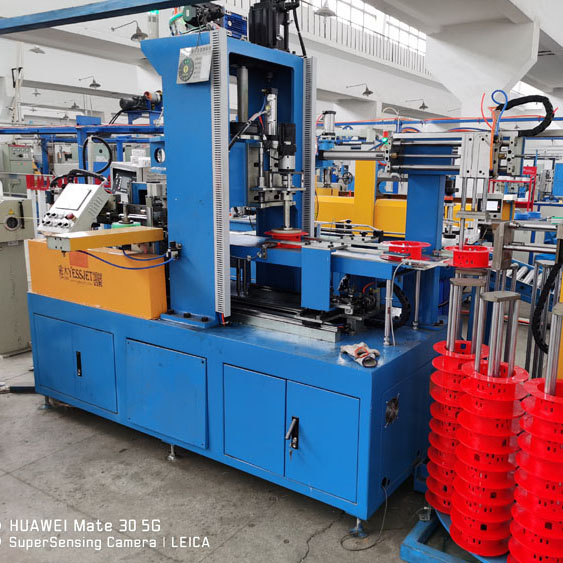
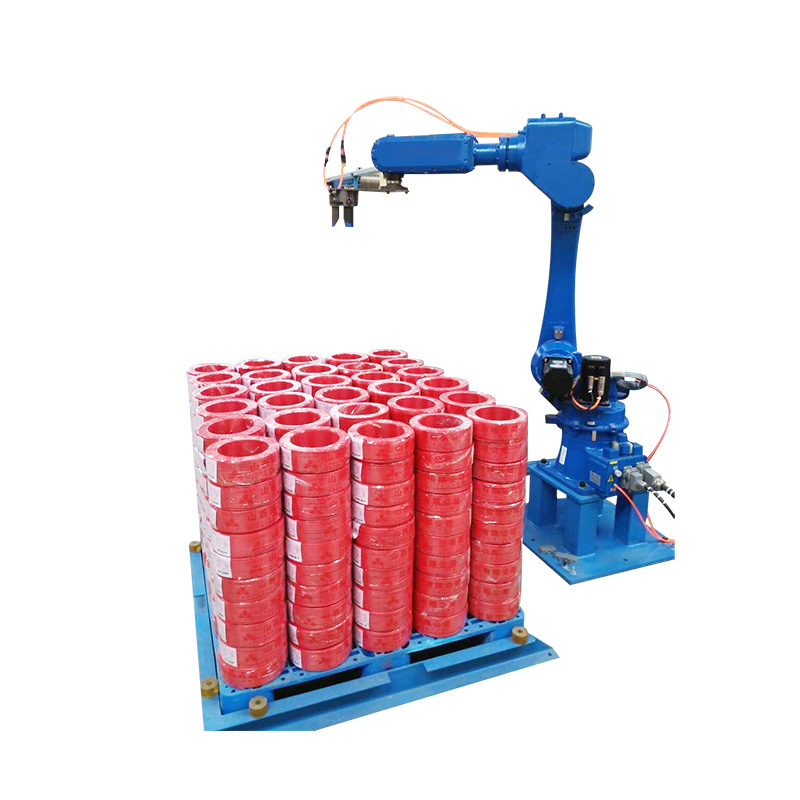
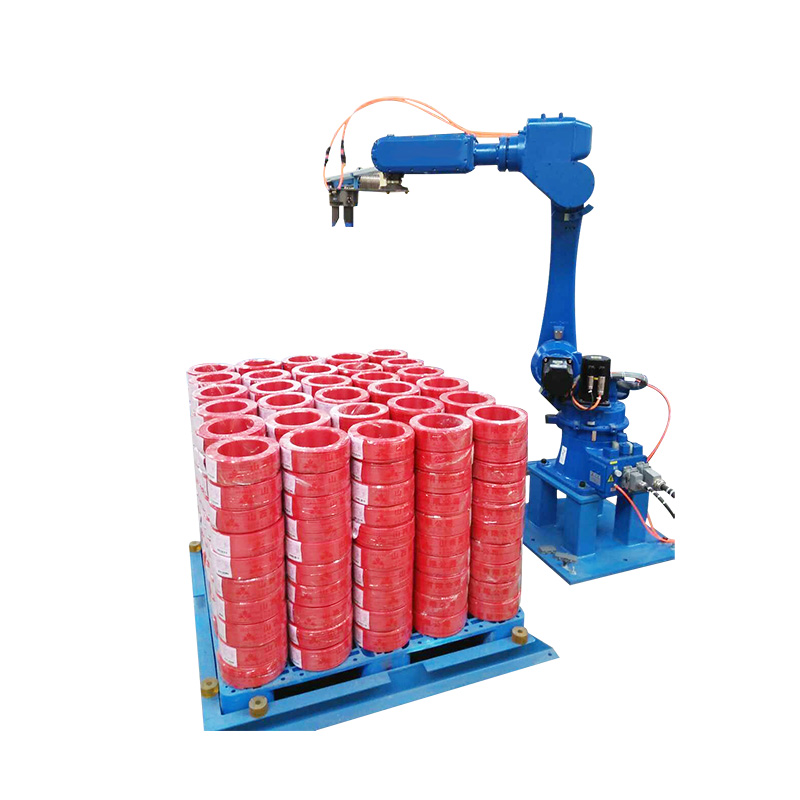
This automated robot stacker is designed for material stacking workflows in manufacturing and logistics operations. Developed by a provider with 15+ years of industrial automation experience and manufactured in an ISO 9001-certified facility, the equipment supports programmable stacking patterns to support consistent stacking output for commercial users. It replaces manual stacking procedures for repetitive material handling tasks, supporting consistent stacking alignment and reduced manual labor input for daily operations.
The robot stacker serves stacking processes across a range of industrial sectors. It is deployed in cable packaging, metal products, and photovoltaic manufacturing lines, as well as warehouse logistics terminals. It handles various material forms including cable reels, standard shipping boxes, pallets, and regular-shaped workpieces. The equipment adapts to different item dimensions and weights within its design range, aligning with diverse production and warehousing operation requirements.
The robot stacker runs on an intelligent control system that supports integration with adjacent production equipment. Operators can define specific stacking patterns and operation sequences through the control interface, to match unique production line specifications. The number of reels per stack can be adjusted directly via the built-in stacking system, to fit different packaging and storage standards.
The equipment runs continuous stacking cycles with limited manual intervention. Once a stacking batch is completed, the system automatically detects the full-load status and sends a notification to on-site operators, to support timely material transfer and uninterrupted production flow.
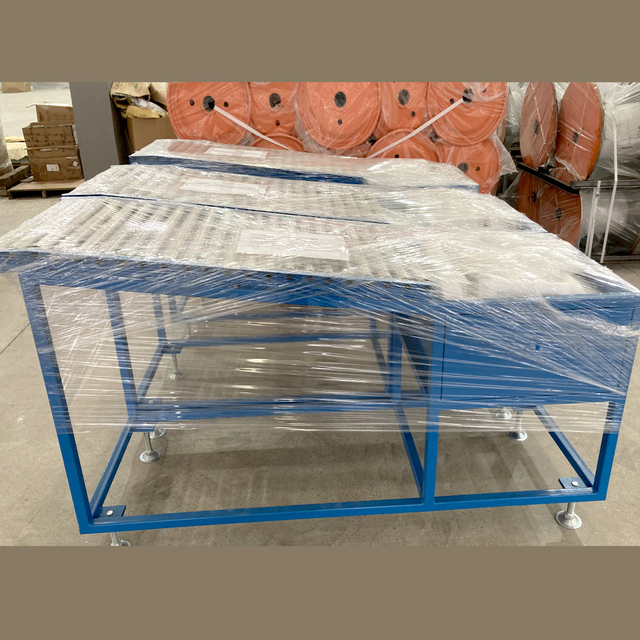
The automatic stacking system is divided into three functional zones: empty stacking area, working area, and full load area. This zoned design separates loading, processing, and unloading steps, to reduce cross-interruption between workflows and support steady on-site operation.
Parameter | Detail |
Manufacturing Facility Certification | ISO 9001 |
Provider Automation Experience | 15+ years |
Control Interface | Touch-enabled human-machine interface |
Stack Quantity Setting | Adjustable via built-in stacking system |
Conveyor System Dimensions | Customizable length and width |
Working Zone Configuration | Empty stacking area, working area, full load area |
Core Applicable Industries | Cable packaging, metal products, photovoltaic, warehouse logistics |
Expandable Components | Grippers, sensors, supplementary conveyors |
The robot stacker adopts a modular design to support flexible customization and function expansion. Commercial users can add components including grippers, sensors, and supplementary conveyors based on their specific material handling needs, to adjust equipment capability along with changing production demands. The conveyor system’s length and width can be customized to fit existing workshop layouts and production line configurations. The control system supports connection with upstream and downstream production equipment, to reduce manual data input and support coordinated operation across the production line. The programmable control system also supports updates to stacking logic as product specifications change, extending the equipment’s usable lifecycle across production adjustments. All units go through standardized testing procedures before shipment. The equipment is delivered with a formal user manual and standard training resources. Technical support teams provide on-site operation guidance as well as remote assistance, to help on-site operators master parameter setup and daily maintenance procedures.
This robot stacker is designed for cable reels, standard shipping boxes, pallets, and regular-shaped workpieces. It supports adjustment for different item sizes and stacking patterns to fit sector-specific requirements in cable manufacturing, metal processing, and photovoltaic production.
Yes. The length and width of the conveyor system can be customized according to on-site layout and production line dimensions. The modular structure also allows supplementary component installation to match unique operation demands.
Each unit comes with a formal user manual and standard operator training. Technical teams offer both on-site guidance and remote troubleshooting support. A standard warranty covers factory defects in materials and workmanship under normal industrial operation conditions.