
close
Choose Your Site
Global
Social Media


| Quantity: | |
|---|---|


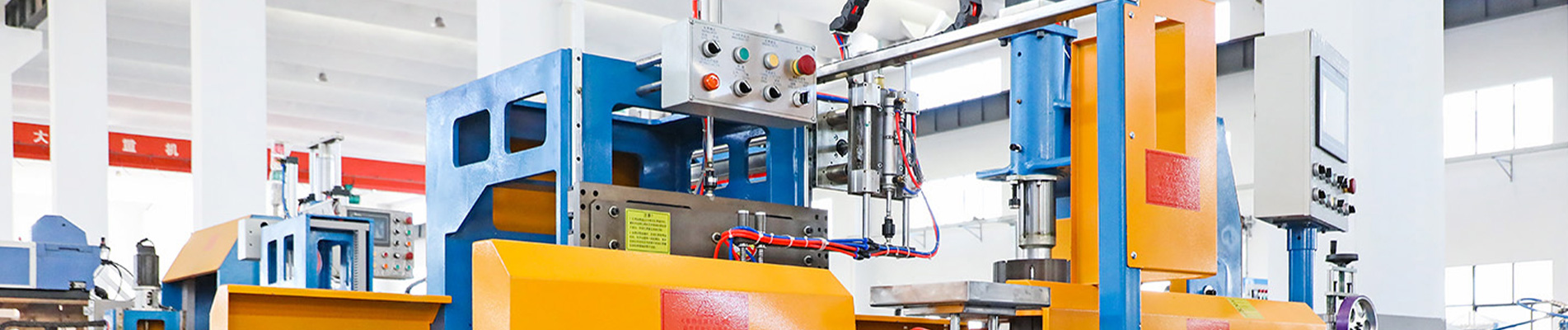
This electric cable handler is purpose-built for cable installation and management in steel industry and industrial construction sites. It integrates cable laying, spooling and pay-off functions, with heavy-duty structural design to adapt to harsh industrial environments. The equipment supports controlled cable feeding and tension regulation, reducing cable damage during installation and improving on-site operational efficiency.

The cable laying machine adopts a high-torque motor paired with an efficient transmission system, delivering consistent pulling force for heavy cable installation. The conveyor and pulling mechanism work in coordination to achieve continuous cable laying at a steady speed. For large-scale underground cable installation projects, the equipment completes cable laying at a rate that reduces project duration compared with manual and semi-mechanical installation methods. The drive system is enclosed in a dust-proof housing to adapt to dusty steel plant environments.
All components of the cable handling system can be synchronized to match operation speed, including cable pullers, spoolers and pay-off units. This coordinated operation ensures smooth and continuous cable feeding throughout the installation process, avoiding interruptions caused by speed mismatch between units. The speed range can be adjusted according to cable diameter and site requirements.
The cable spooler is equipped with an advanced braking system and tension control mechanism. Operators can adjust cable tension during spooling and unspooling operations to ensure even winding and unwinding. This precise tension control prevents cable loosening or tangling during handling, maintaining cable structural integrity and reducing damage that may lead to rework and downtime.
The pay-off unit supports adjustable feeding speed, which can be set to match the operation speed of the cable laying machine. This speed synchronization ensures consistent cable tension during the laying process, avoiding excessive pulling force that may damage cable insulation or internal conductors. The pay-off unit adapts to spools of different sizes within the specified diameter range.
Model | Height H (mm) | Outside Diameter O.D (mm) | Inside Diameter ID (mm) | Wire/Cable Diameter (mm) | Average output (100M / Coil) |
|---|---|---|---|---|---|
CP1040 | 50-100 | Ø180-Ø400 | Ø120-Ø200 | Ø3 - Ø8 | 2Coils/Min. |
CP1860 | 70-150 | Ø280-Ø600 | Ø180-Ø250 | Ø5 - Ø15 | 1Coils/Min. |
All cable handling components are equipped with overload protection mechanisms. Load sensors installed on cable hoists, pullers and winches detect when load exceeds the equipment’s maximum capacity. When an overload is detected, the corresponding motor shuts off automatically and an alarm activates to alert on-site personnel. This design prevents equipment damage and reduces safety risks for on-site operators.
Easily accessible emergency stop buttons are installed on control panels and prominent positions across the equipment. When activated, all moving parts halt immediately to prevent further equipment damage and personnel injury. All moving components are covered by steel and polycarbonate safety guards, which prevent accidental contact with dangerous parts during operation. The guards can be removed for maintenance and inspection, and are securely fastened during normal operation.
The CP1040 model is compatible with cables of Ø3-Ø8mm diameter, and the CP1860 model supports cables of Ø5-Ø15mm diameter. Both models adapt to spools within the specified outside and inside diameter ranges.
Yes, the equipment is constructed with heavy-duty components and enclosed drive systems, designed to withstand dusty and high-temperature industrial environments. Production of the equipment follows ISO 9001 quality management system requirements.
The equipment is fitted with overload protection, emergency stop buttons and full-coverage safety guards. All safety designs align with industrial site operation safety requirements.
Yes, the tension and speed can be adjusted to adapt to different cable structures and insulation materials, including power cables, control cables and signal cables within the specified diameter range.